
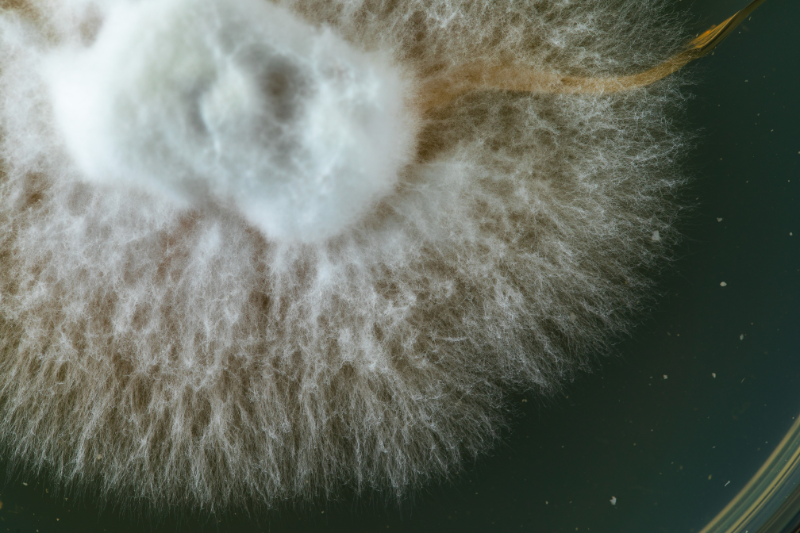
New research published in the peer-reviewed science journal Immuno reports that Hericium erinaceus (Lion's Mane) off-the-shelf mushroom mycelium-based products may have distinct advantages when compared to hot water extracted fruiting body products.
The study was conducted by researchers at Fungi Perfecti and evaluated the transcriptomic- and protein-level effects of Host Defense Mushrooms Lion's Mane mushroom mycelium in cultured human peripheral blood mononuclear cells (PBMCs).
The research team compared select outcomes of these evaluations with a commercially available fruiting body extract marketed for high β-glucan content.
This side-by-side comparison demonstrated distinct differences in the patterns of immune signalling activity and engagement of cellular stress-response pathways in human immune cells, using state-of-the-art in vitro tests.
Overall, the findings suggest that Lion's Mane mushroom mycelium supports a more measured, regulated immune response under cellular stress, unlike the hot water-based fruiting body extract.
Under simulated immune challenge conditions, the mushroom mycelium product was associated with support for modulation of select inflammatory cytokines alongside increased expression of immune-regulatory mediators, suggesting a context-dependent immune response profile distinct from broad immune stimulation.
According to the authors, Host Defense Lion's Mane mushroom mycelium powder supported a broad range of immune- and oxidative stress-related pathways while exhibiting comparatively lower inflammatory signalling than the fruiting body extract at baseline in vitro.
Upon revealing the global gene expression patterns elicited by Host Defense Lion's Mane in cultured human immune cells, the researchers sought further substantiation, revealing clear immune-promoting effects across multiple cytokine proteins alongside further support through functional antioxidant assays.
Ultimately, these assays pointed to the same conclusion: Host Defense mushroom mycelium offers a "calm under challenge" effect, whereas the fruiting body extract produced a divergent cytokine signalling response under the same experimental conditions.
These results reveal that different H. erinaceus materials can engage immune pathways in materially different ways.
"These findings reinforce that Lion's Mane is not a monolithic ingredient category," said Dr Chase Beathard, Associate Director of Research and Development at Fungi Perfecti and corresponding author and principal investigator of the study.
"Our data indicate that Lion's Mane mushroom mycelium engages immune regulatory and cellular stress-response pathways through multiple complementary mechanisms."
"The data also shows that tissue type, cultivation and extraction methods meaningfully influence biological outcomes — an important consideration for product development, substantiation and safety evaluation."
The authors emphasise that the findings are preclinical and based on in vitro models and that further investigation, including human clinical research, is needed to better understand how these mechanisms translate to consumer use.


