
Kinjirushi Co., Ltd, a Japanese leader in wasabi cultivation, production and research, has introduced hexaraphane to North America.
The naturally occurring wasabi compound has been studied for potential benefits to cognitive function and healthy ageing.
Best known in North America as a sushi accompaniment, wasabi is also being studied for properties beyond culinary use.
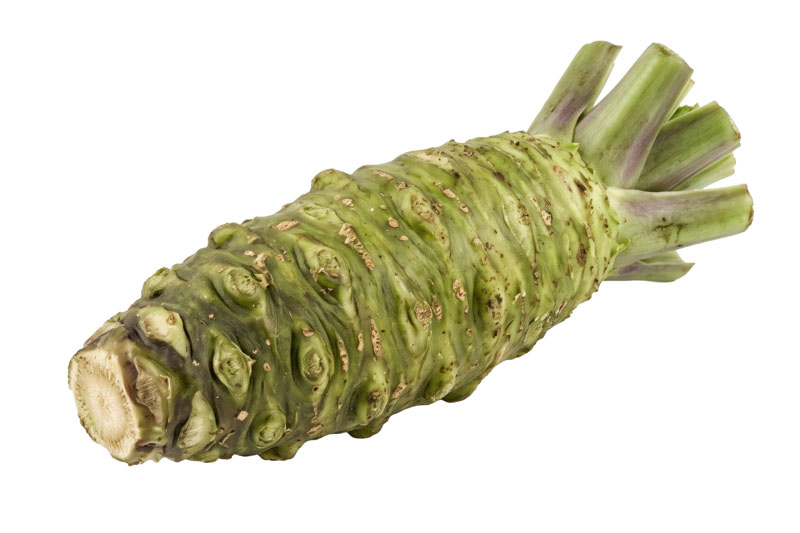
Hexaraphane, or 6-MSITC (6-methylsulfinylhexyl isothiocyanate), is a naturally occurring isothiocyanate in wasabi’s rhizome that has attracted interest in cognitive health research.
A randomised, double-blind, placebo-controlled study examined 12 weeks of wasabi supplementation containing 6-MSITC in healthy adults aged 60–80.
Compared with a placebo, the supplement significantly improved working and episodic memory, but not other cognitive domains.
The findings have increased scientific interest in wasabi-derived compounds and cognitive function with age.
Kinjirushi has spent decades researching wasabi’s functional compounds, including hexaraphane, developing extraction and standardisation methods and applications for research and consumer use.
“Wasabi has a long history in Japanese food culture, but our understanding of the plant continues to evolve,” said Dr Isao Okunishi, fellow researcher at Kinjirushi.
“Research into hexaraphane is helping us explore an entirely different side of wasabi. We want to bring greater awareness of that science to North America and encourage continued interest in the relationship between wasabi, nutrition and cognitive health.”
With more than 25 years of wasabi research, Dr Okunishi is a leading expert on its functional properties and uses beyond food.
Kinjirushi’s consumer applications include Wasabi Sulfinyl, a dietary supplement containing wasabi-derived compounds available in North America.
Kinjirushi aims to raise awareness of hexaraphane and wasabi science in North America, contributing its expertise to discussions about nutrition, cognitive function and healthy ageing.
“Most people in North America already know wasabi, even if they have only experienced it alongside sushi,” added Dr Okunishi.
“What they may not know is how much there is still to discover about the plant. We hope the research inspires people to see wasabi from a new perspective.”


