


Nearly two-thirds (64%) of meal replacement buyers describe their purchasing as habitual rather than impulsive, according to new research from ingredient solutions giant Tate & Lyle.
The findings suggest the category now has an established place in many shoppers' routines, giving retailers and brands an opportunity to build ranges around repeat purchasing.
Tate & Lyle's research — based on an online survey of consumers in the UK and Germany — identified the following four consumer groups:
- Jugglers: busy professionals who want convenient, good-value products offering balanced nutrition and lasting fullness
- Longevity Seekers: consumers who invest proactively in long-term wellbeing but won't compromise on taste, texture or enjoyment
- Health Rebalancers: shoppers responding to existing health concerns, who look for credible, science-backed products addressing needs such as gut health and blood glucose management
- Gainers: fitness-focused consumers who prioritise high-protein nutrition for training and recovery, alongside convenient formats and pleasant texture.
Despite differing motivations, expectations overlap around convenience, nutritional value and sensory satisfaction.
Tate & Lyle said this could help manufacturers develop products that appeal to multiple groups beyond traditional bars and shakes, extending into beverages, snacks, bakery, dairy and ready meals.
"There isn't one typical meal replacement consumer," said Dr Clare Leonard, VP Nutrition & Health Science at Tate & Lyle.
"For manufacturers, this presents an opportunity to think beyond traditional meal replacement products."
Understanding what drives different consumers and where their needs intersect can inform innovation across a wider range of food and beverage categories.
She added that the challenge is to pair nutritional benefits with the enjoyable experience that makes a product part of an everyday routine.
A growing, fast-evolving category
The European meal replacement products market was estimated at $1.90bn in 2025, rising to $2.72bn by 2031, a forecast Tate & Lyle also cites.
Estimates vary between analyst houses, but all point to sustained growth. 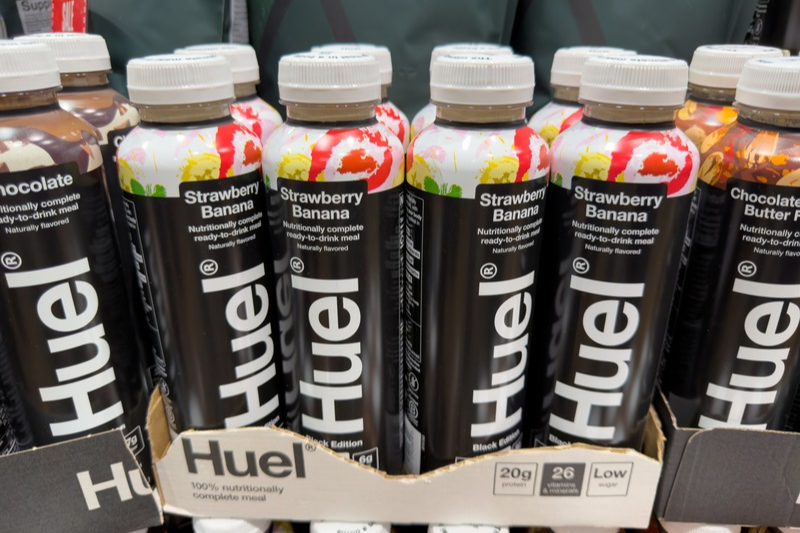
Wider shifts in how people are eating are also adding momentum. One study found that GLP-1 users are present in 8.5% of British households, up from 6.3% in February.
Among UK GLP-1 users surveyed by PwC, 54% reported spending more on high-protein options and 40% more on vitamins and supplements.
That demand for protein, fibre and nutrient density aligns closely with the needs of Tate & Lyle's Health Rebalancers and Gainers.
For nutraceutical formulators, however, the message is that functional credentials alone are unlikely to be enough to distinguish them from competitors.
Tate & Lyle argues that mouthfeel is the differentiator and that fibre fortification can support gut health and satiety without compromising tolerance and performance.
Its own website notes that health benefits are based on clinical and/or preclinical studies and may not be substantiated regulatory health claims, so brands will need to check claims by jurisdiction.


