Curcumin's adulteration problem is well documented and, by most accounts, underreported. The adulterants vary, but the mechanism is consistent: exploitation of a supply chain in which raw material changes hands multiple times before it reaches an extraction facility, with limited oversight at each transition. Standard HPLC curcuminoid assays, while necessary, are not sufficient as a standalone defence; a sophisticated adulterant can be designed to satisfy a specification. What does not get discussed with equivalent rigour is the point of origin of this vulnerability. The procurement decision — which growing belt, which season, which farmer, harvested at what maturity index — is made long before any laboratory is involved. For most buyers, that upstream history is opaque. For K. Patel Phyto Extractions, an Indian botanical extract manufacturer with over two decades in the curcumin category, it is the primary control point.
The extract is only as honest as the rhizome it came from. If you do not know the field, you do not fully know the extract
— Viraj Patel, Director of Business Development, K. Patel Phyto Extractions Pvt. Ltd.
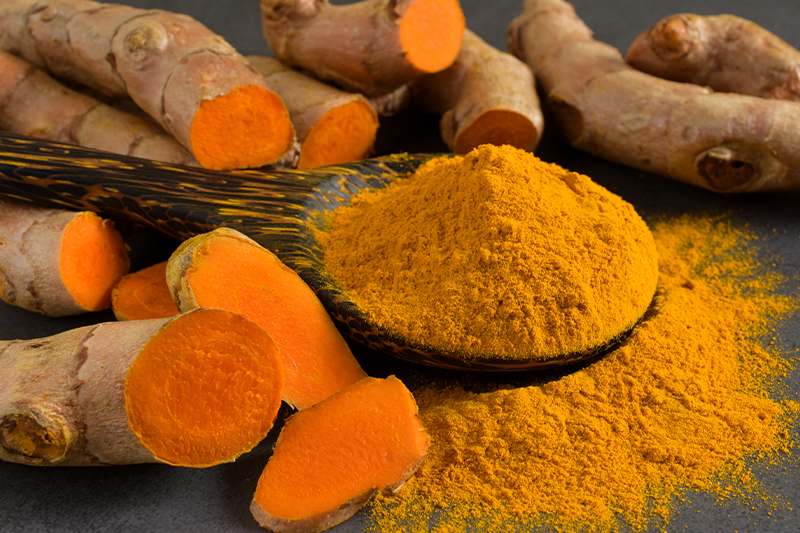
The company operates a structured farmer partnership programme that intervenes at each stage of the agricultural cycle rather than at intake alone. Certified, high-curcuminoid variety planting material is supplied directly to partner farmers — a deliberate upstream control that removes open-market seed variability from the equation before a rhizome is in the ground. Agronomic training, aligned to Good Agricultural Practices and calibrated to the specific pesticides applicable in destination markets, is delivered across the growing season. Field monitoring by the company's agronomic team tracks not just yield indicators but the environmental variables — UV exposure, moisture stress, temperature profiles — that have a quantified influence on curcuminoid biosynthesis as a secondary metabolite response. Harvest timing is prescribed based on observable maturity markers: natural yellowing of aerial foliage, rhizome structural stability and moisture trending toward the optimum threshold required for industrial-grade stability. Only material meeting pre-agreed HPLC and ICP-MS intake specifications enters the extraction pipeline; the buy-back criteria are fixed and non-conforming lots are not accepted regardless of volume pressure.
The relevance of this model sharpens considerably against the 2026 supply context. A net production reduction of approximately 15% attributable to unseasonal rainfall, with total available supply falling short of global demand, has created market conditions in which price-driven procurement shortcuts carry elevated risk. Early-season arrivals — lower in curcuminoid density and higher in moisture — will move at volume in a tight market. Geographic blending across high- and low-performing belts will occur. For procurement teams and formulators who require specification consistency and regulatory defensibility in markets operating under EU contaminant frameworks or equivalent standards, sourcing decisions made now will be reflected in finished product quality for the remainder of the cycle. K. Patel Phyto Extractions' finished curcumin is produced to USP-grade specification with full three-curcuminoid characterisation, using EU-approved extraction solvents and screened against the complete European contaminant panel — pesticides, PAH, aflatoxins and heavy metals. C14 radiocarbon isotope testing is available on request for botanical origin authentication. The traceability does not stop at the farm gate. It is continuous to the certificate of analysis.