
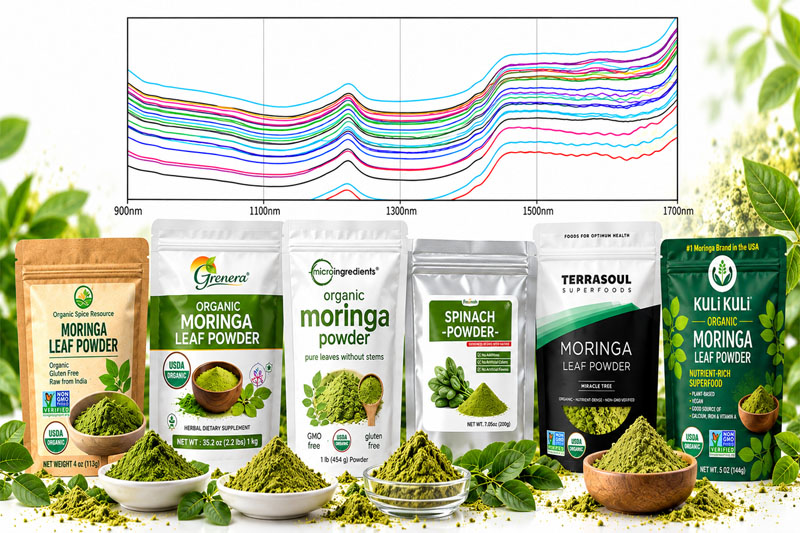
For nutraceutical manufacturers, ensuring the identity and consistency of incoming botanical ingredients is an essential part of quality control.
Yet botanical powders present a particular challenge: materials from different suppliers, growing regions and processing methods may appear to be virtually identical while exhibiting measurable differences in their chemical composition.
Moringa (Moringa oleifera) provides an interesting example. Widely used in dietary supplements and functional foods, moringa leaf powder is valued for its nutritional composition.
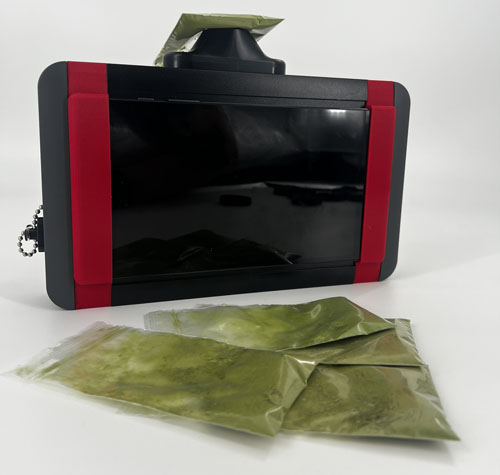
Once dried and ground, however, the material loses many of the visual characteristics that might otherwise help to establish its identity.
Previous research has demonstrated the ability of NIR spectroscopy to predict moisture, protein and mineral content in moringa leaf powders, highlighting its potential for botanical quality assessment.1
Jason Pierce, President of StellarNet, takes up the story.


