


The US FDA has announced its intention to revoke the authorisations of several colour additives and substances used to produce food additives.
It will withdraw authorisation for methylene chloride as a diluent in inks used to mark fruit and vegetables and revoke authorisations for using methylene chloride, ethylene dichloride and trichloroethylene to manufacture the following colour additives: annatto extract, paprika oleoresin and turmeric oleoresin.
The Agency cited a colour additive petition from the Environmental Defense Fund, Breast Cancer Prevention Partners, Center for Environmental Health, Environmental Working Group and Lisa Lefferts as the reason for the authorisation reversals.
The petition requested revocation under the Delaney Clause of the Federal Food, Drug & Cosmetic Act, which states that a colour additive that is ingested must be deemed unsafe if that substance has been found to induce cancer in humans or animals.
Methylene chloride has been shown to cause cancer in laboratory animals.
Separately, the FDA said it was revoking authorisations for the three chemicals used in colour additive production after a petition from the International Association of Colour Manufacturers showed that industry had abandoned these uses.
The decision takes effect on January 11, 2027.
The revocations come at the same time as the World Health Organization (WHO) has published new draft guidance aiming to help governments identify foods that should be consumed in moderation to form part of a healthy diet — including guidance on which products should be subject to measures such as warning labels or taxes.
The proposed food-profiling model would consider added colours, flavours and sweeteners alongside nutritional composition, marking a departure from traditional food-profiling approaches which have largely focused on nutritional characteristics such as fat, salt and sugar content.
The WHO said the proposed framework aims to help governments identify products that may contribute to diet-related disease and inform national policy decisions. However, the guidance has already prompted concerns from food industry representatives.
The International Food and Beverage Alliance (IFBA), which represents major multinational food and beverage companies, warned that the approach could shift attention away from nutritional quality and undermine existing reformulation efforts.
The consultation on the WHO proposal is open until November 27, 2026.
What does this mean for food ingredient suppliers?
While the FDA and WHO developments have different objectives, both reflect growing scrutiny of the ingredients used in food formulation.
The FDA's latest decision follows its wider push to eliminate petroleum-based synthetic colour additives from the US food supply.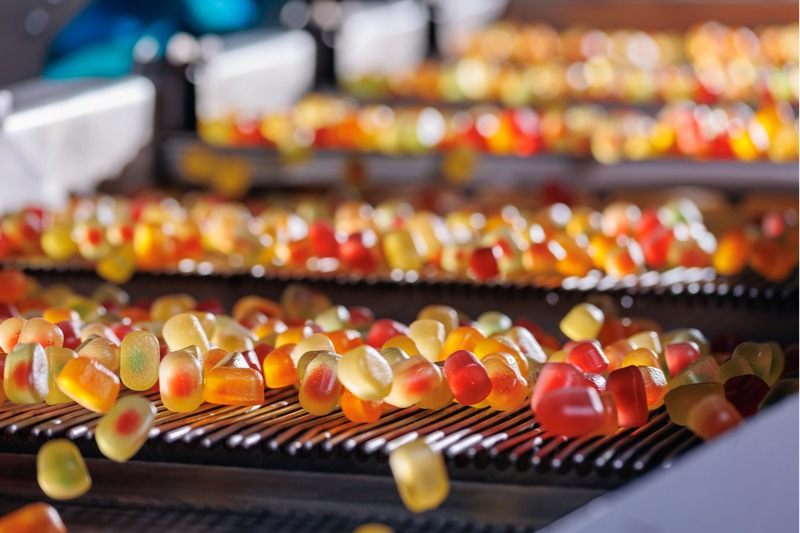
Previous actions have included revoking the authorisation for Orange B food dye, introducing a new enforcement approach to 'no artificial colours' claims and expanding the range of permitted naturally derived colourings, including beetroot red and spirulina extract.
For food ingredient manufacturers, these developments could create further opportunities for suppliers of naturally derived colourants, as food and beverage companies explore alternatives to synthetic dyes and respond to changing regulatory expectations.
However, replacing established ingredients can present technical and commercial challenges, particularly around colour stability, consistency, performance and cost.
The WHO's proposed approach could also affect markets beyond colour ingredients, with flavour and sweetener manufacturers potentially facing greater scrutiny as governments consider how to assess the overall composition of processed foods.
As regulatory discussions continue in the US and internationally, ingredient suppliers and food manufacturers will need to monitor how changing approaches to food safety and nutritional profiling could influence future product development and reformulation strategies.


