

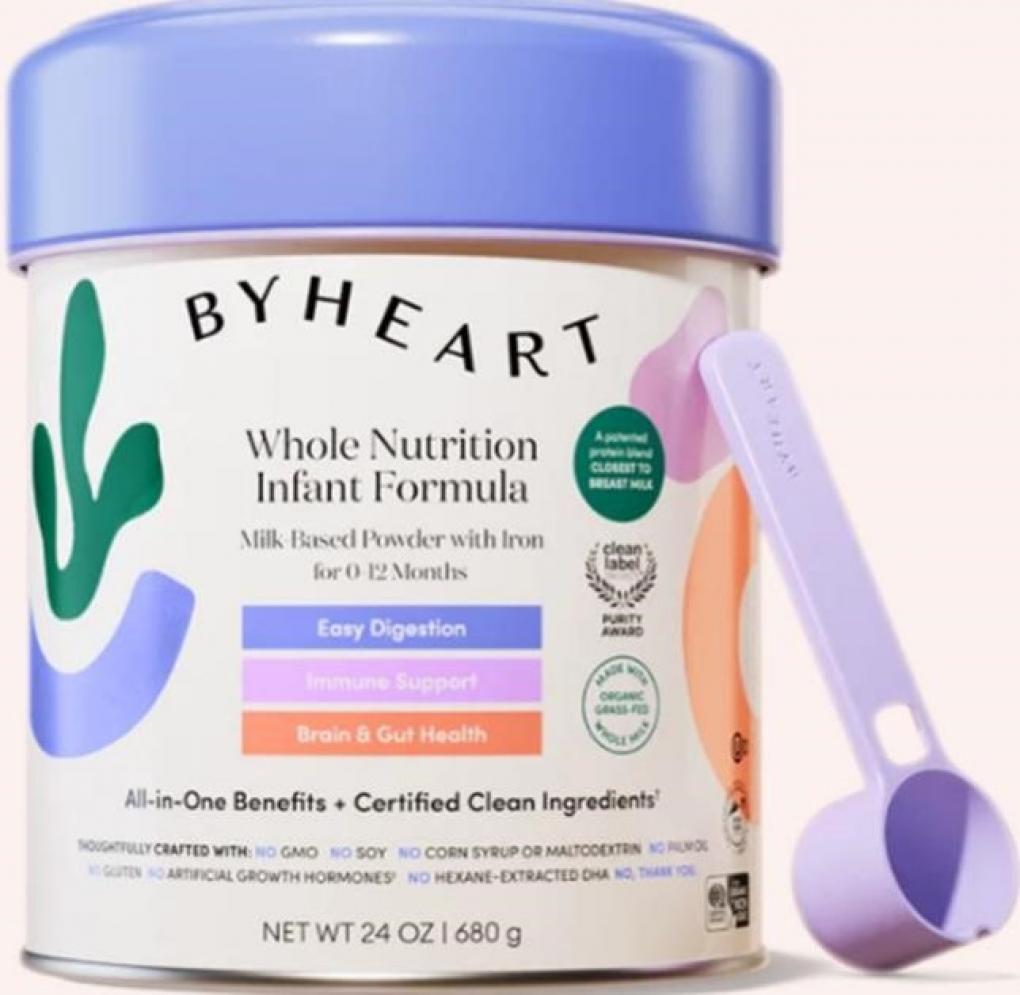
 The FDA and CDC, along with the California Department of Public Health (CDPH), Infant Botulism Treatment and Prevention Program (IBTPP) and other state and local partners, have continued their investigation into a multistate outbreak of infant botulism.
Epidemiologic and laboratory analyses have shown that ByHeart Whole Nutrition infant formula is the source of this multistate outbreak of infant botulism.
Product sampling and testing are being conducted by the FDA, CDC, state partners and ByHeart.
Additionally, the FDA collected ByHeart ingredient samples for analysis, as part of the investigation.
As of January 23, 2026, two samples collected by the FDA have tested positive for Clostridium botulinum (toxin), Type A.
One is a ByHeart powdered infant formula closed product sample that matches a clinical isolate from an infant included in this outbreak according to whole genome sequencing (WGS) analysis.
These samples also match two isolates of organic whole milk powder, an ingredient that ByHeart uses in the production of ByHeart Whole Nutrition powdered infant formula, which were collected and tested by ByHeart.
The second organic whole milk powder sample was collected by the FDA at a processor for a supplier to ByHeart and analysed by the New York Wadsworth Laboratory.
WGS analysis showed that the Clostridium botulinum found in the sample of whole milk powder is a genetic match to the Clostridium botulinum detected in the finished product sample of ByHeart’s infant formula, according to analysis conducted by ByHeart.
While these results have advanced the FDA’s understanding of the outbreak, the investigation is ongoing to determine the source of contamination.
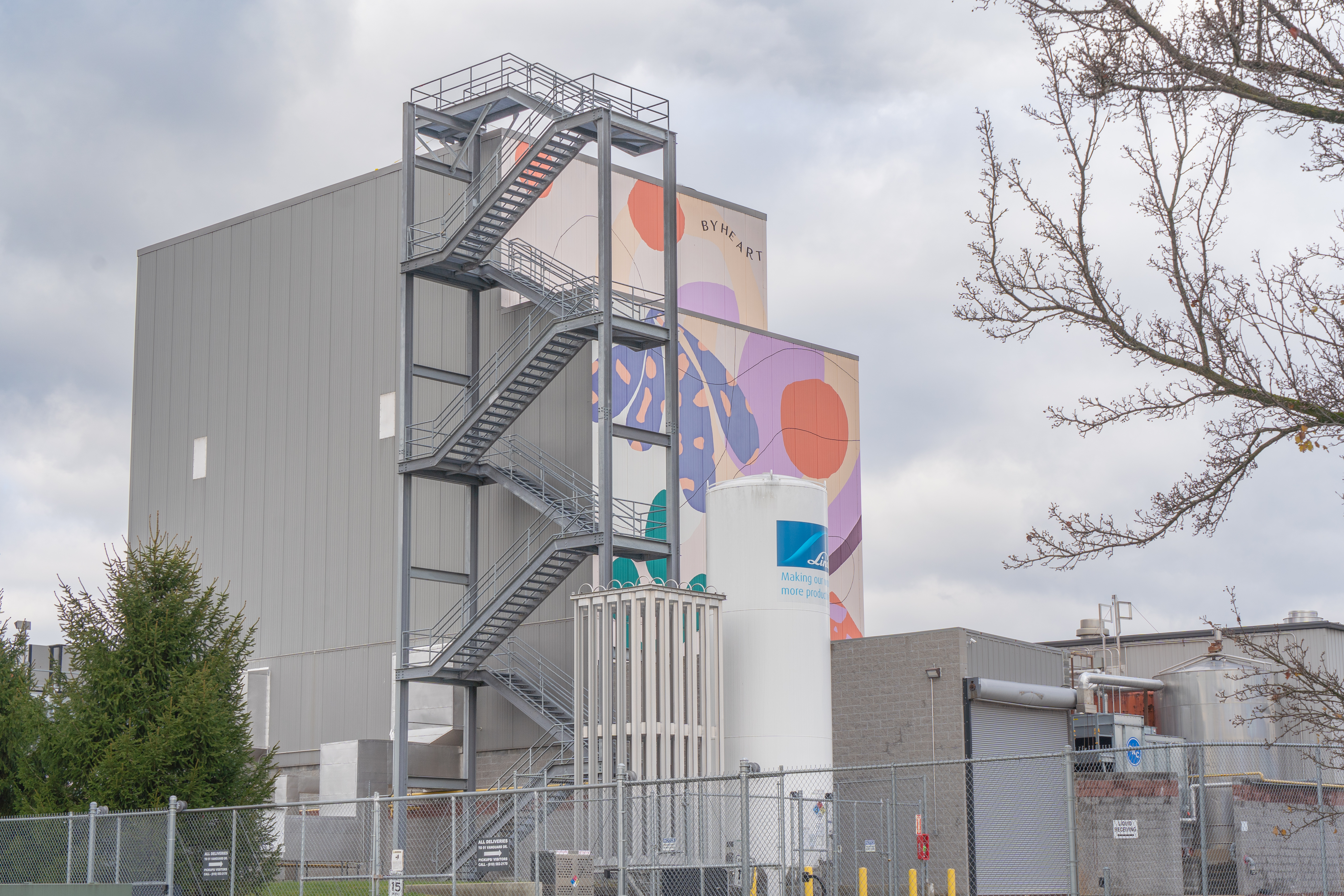 Previously, on December 23, 2025, ByHeart publicly reported positive test results for Clostridium botulinum in six of 36 finished-product samples.
These six samples were taken from two batches (Batch 251261P2 and Batch 251131P2), both of which were included in the initial product recall.
Sample analysis is ongoing, with results reported as they become available. The FDA has said that detection of Clostridium botulinum in infant formula (or ingredients) is complex and, therefore, confirmation of results can take several weeks.
This is due to the heat-resistant spores, which require special activation before they can be detected. Additionally, testing for C. botulinum in infant formula requires specialised testing and lab equipment.
While initial screening tests are performed, a preliminary positive result requires confirmatory tests. This complex process can take two or more weeks for final results.
There are a limited number of labs that have the specialised equipment and resources to conduct these tests, which further reduces testing capacity.
The FDA's investigation is focused on gaining a clearer understanding of contributing factors in this outbreak.
 This is the first documented outbreak of botulism in the United States attributed to contaminated infant formula and there are fundamental differences between spore-forming bacteria such as Clostridium botulinum and vegetative bacteria such as Cronobacter and Salmonella.
These are important considerations as the FDA continues to respond to this outbreak and implement risk reduction strategies going forward.
The FDA has established the FDA’s Actions to Respond to Clostridium botulinum Illnesses Associated with Consumption of Powdered Infant Formula page to capture ongoing efforts to ensure the safety of powdered infant formula, including general information about formula safety.
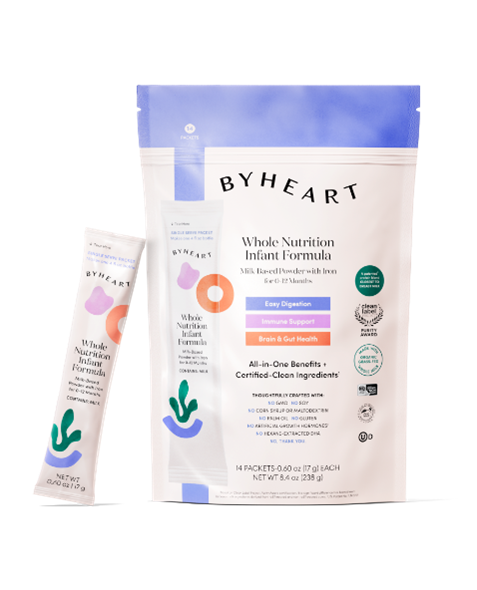
All ByHeart infant formula products have been recalled, including all formula cans and single-serve "anywhere pack" sticks.


