


With GLP-1 interest showing no signs of slowing and patients now more aware of the drawbacks of the therapy, emerging research from the University of Glasgow has identified an alternative method of protecting fat-free mass with krill oil.
The article, published in the Journal of Sport and Health Science in October, found that participants taking krill oil lost significantly less fat-free mass than those taking a placebo, despite similar overall weight loss.
Muscle preservation and strength are two important considerations for those on GLP-1s.
These medicines can often reduce lean body mass alongside fat loss — typically accounting for roughly 20% to 40% of total weight lost — which can significantly affect the patient's quality of life.
The study — a randomised controlled trial involving 41 adults — had participants follow an alternate-day fasting programme.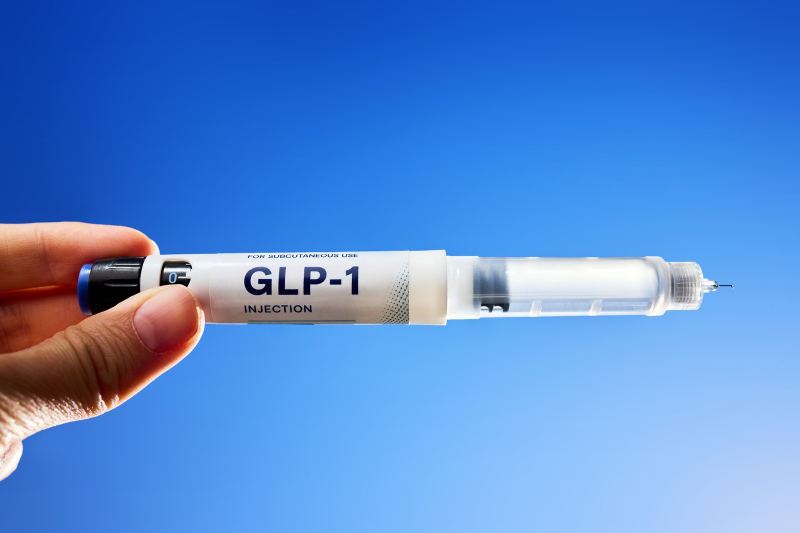
Those taking krill oil experienced significantly less loss of fat-free mass and handgrip strength than those taking a placebo.
Both groups lost around the same amount of total weight.
Lead researcher Professor Stuart Gray said the findings highlighted the importance of looking beyond loss of body mass alone.
Our findings show that krill oil may help preserve fat-free mass and muscle strength during dietary weight loss, opening up an important area of research into how omega-3 fatty acids could support healthier weight-loss outcomes.
He continued: “With the growing use of GLP-1 medications, there is increasing interest in strategies that help people lose fat while preserving muscle. While our study did not involve these medications, the findings provide a compelling reason to investigate whether omega-3 supplementation could offer similar benefits in this setting."
The research team will begin a new study in 2027.
Beyond just protein: supporting muscle health during weight loss
Dietitian and exercise physiologist Kate Save said the findings reinforced why maintaining muscle and strength should be a priority during significant weight loss.
“Muscle is metabolically active tissue that plays an important role in regulating blood glucose, particularly after meals. It's also essential for strength, mobility and healthy ageing, making muscle preservation a critical part of healthy weight loss," she explained.
Protein-rich whole foods are important, but protein alone isn't enough.
"Regular resistance exercise provides the stimulus muscles need to grow and remain strong, while emerging research suggests omega-3s may also play a complementary role in supporting muscle health and preserving strength during weight loss.”
In particular, krill oil may offer some advantages over conventional fish oil formulations because of the way its omega-3 fatty acids are delivered.
Krill oil contains omega-3s bound to phospholipids, which some research suggests may improve their absorption compared with certain fish oil formulations.
Phospholipids are important structural components of cell membranes. While more research is needed to establish whether these differences translate into greater benefits for muscle preservation, krill oil could represent a useful addition to a broader nutritional strategy for people undergoing significant weight loss.
“Responsible sourcing is equally important. Antarctic krill comes from one of the world's most carefully managed fisheries with catches kept below one per cent of the estimated biomass, highlighting the importance of looking beyond the label to understand what we're consuming and where it comes from," Save said.


