

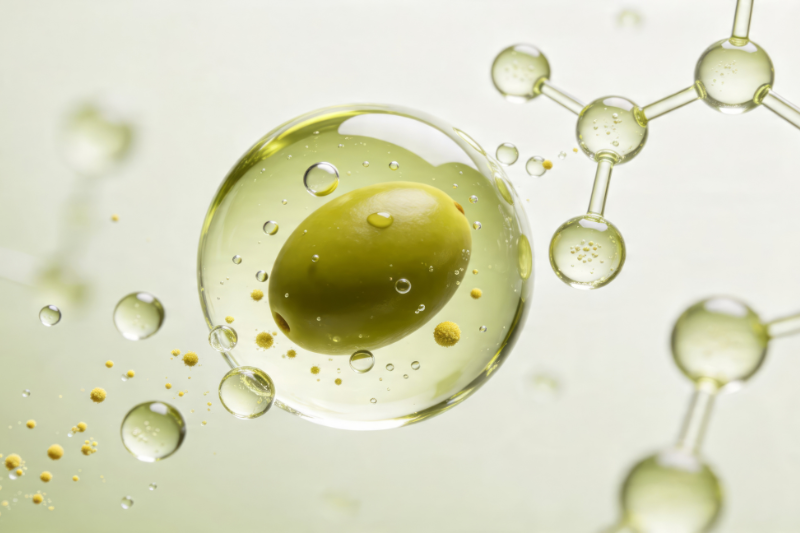
Nova Mentis has launched a new hydroxytyrosol ingredient, Polyphenol-HT1, produced through precision fermentation.
The ingredient targets growing demand for bioactives for healthy ageing, cardiovascular health and cellular wellness.
The Ireland-based biotech said the ingredient is designed to provide formulators with a high-purity and consistent source of hydroxytyrosol, a polyphenol naturally found in olives and olive oil.
Rather than relying on conventional olive extraction, Nova Mentis uses precision fermentation to produce the compound.
The company said the approach is intended to offer greater consistency and scalability while reducing reliance on agricultural raw materials.
“Hydroxytyrosol has a compelling story that connects decades of research around the Mediterranean diet with some of the biggest priorities shaping nutrition today,” said Matt Braman, VP of Sales at Nova Mentis.
With HT1, we’re taking that science forward through precision fermentation and giving product developers a new way to incorporate hydroxytyrosol into next-generation nutritional products.
The launch comes as microbial production of hydroxytyrosol attracts growing scientific interest.
A 2026 review highlighted metabolic engineering as a potential route to producing hydroxytyrosol through microbial cell factories, citing limitations associated with conventional extraction and the need for scalable, cost-effective production.
Recent research has also demonstrated progress in fermentation-based production.
A study published this month using engineered Yarrowia lipolytica reported hydroxytyrosol production at 11.9 g/L in a 1.3 L bioreactor, while other 2026 studies have investigated engineered E. coli systems for high-level production.
Against this backdrop, Nova Mentis said that it is positioning Polyphenol-HT1 as a nutritional ingredient platform rather than a single-purpose antioxidant.
Proposed applications include healthy ageing, cardiovascular and cellular health, metabolic wellness, beauty-from-within, gut health and cognitive support.
The company's interest in hydroxytyrosol also extends into emerging research areas.
A 2026 study involving Nova Mentis researchers investigated the compound's effects on behavioural and molecular responses to chronic stress, reporting effects on transcriptional changes associated with neuronal signalling, mitochondrial integrity and protein homeostasis in a preclinical model.
For formulators, the company said the key distinction between Polyphenol-HT1 and broader olive extracts is its targeted hydroxytyrosol content and controlled production process.
Regulatory considerations will remain important as precision-fermented ingredients move into nutrition applications.
In February 2026, the UK Food Standards Agency published its first safety guidance specifically covering precision-fermentation products, describing the technology as a means of producing defined target molecules using controlled microbial systems.
Nova Mentis has previously established a regulatory track record for hydroxytyrosol in the US: FDA's GRAS database records a 2020 “no questions” response for the company's hydroxytyrosol notification for use as an antioxidant in a range of food categories.
With Polyphenol-HT1, Nova Mentis said it plans to build the scientific and formulation platform around hydroxytyrosol and expand its potential applications across nutritional products.


