

A new compositional analysis published in Frontiers in Nutrition has quantified just how inconsistent commercial omega-7 raw materials are, offering formulators a practical framework for evaluating ingredient sources beyond label claims.
Researchers at Checkerspot analysed 14 commercially available omega-7 products by GC-FID, comparing palmitoleic acid (POA) content across fish oil ethyl ester concentrates, high-POA algal oil, seabuckthorn oils and powder, macadamia oil, and avocado oil.
The results showed dramatic variation: a high-POA algal oil topped the ranking at 67.3% POA, fish oil ethyl ester concentrates delivered 54.8-57.0%, macadamia oil provided a consistent 21.5-23.0% and avocado oil trailed behind at 5.6-10.0%.
Seabuckthorn-derived ingredients showed the widest spread of any category, from POA-rich berry oils above 30% down to a powdered formulation that tested at just 0.19% POA, with saturated fat from the magnesium stearate carrier dominating instead.
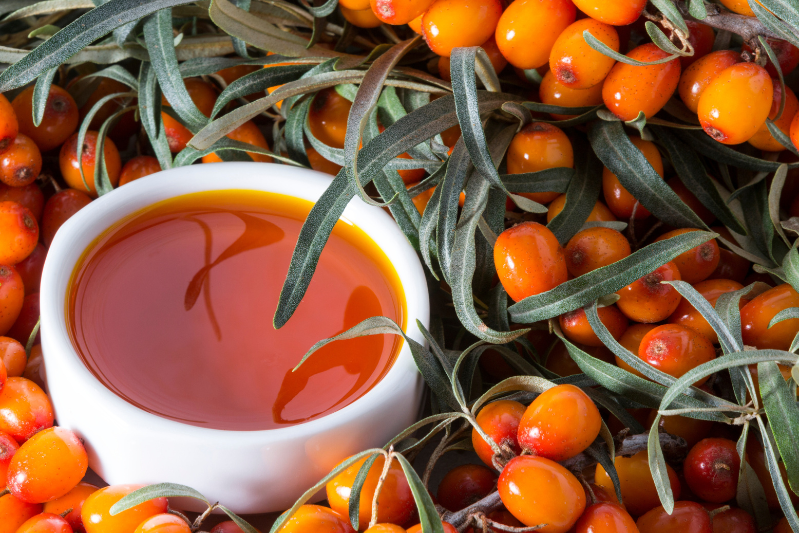 The researchers attributed this variability to whether the products were formulated from berry pulp oil, seed oil, or a blend of both — seed oil is far richer in linoleic and alpha-linolenic acids than POA, meaning "seabuckthorn" on a label doesn't guarantee meaningful omega-7 content.
It is worth noting, however, that Checkerspot is also a manufacturer of fermentation-derived algal oil — and whose product ranked highest for POA density in the analysis.
For formulators, the practical implication is dose density.


