

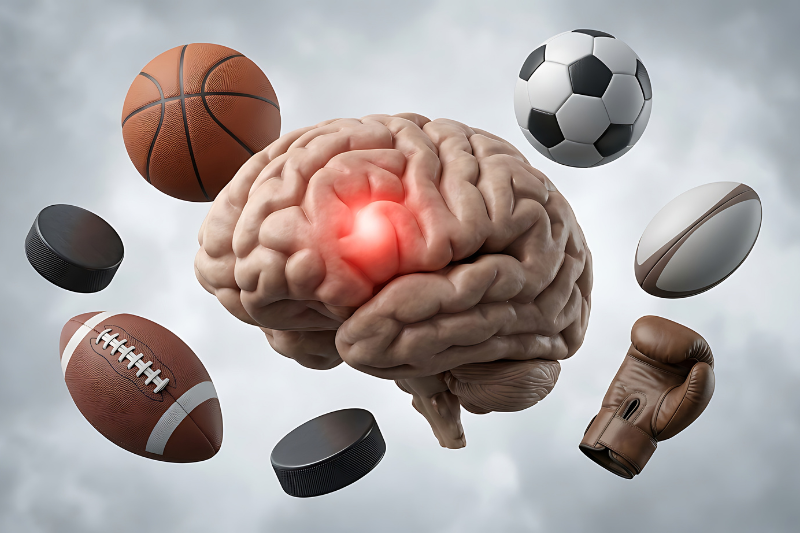
US supplement brand CON-CRĒT has announced new preclinical research investigating the potential neuroprotective effects of creatine hydrochloride (HCl) following traumatic brain injury (TBI).
The study, led by researchers at the University of Nebraska Medical Center (UNMC), found that mice receiving CON-CRĒT creatine HCl before and after a controlled brain injury showed improvements in several markers of neuronal health compared with untreated animals.
The researchers submitted the study to the Journal of Neurotrauma for publication.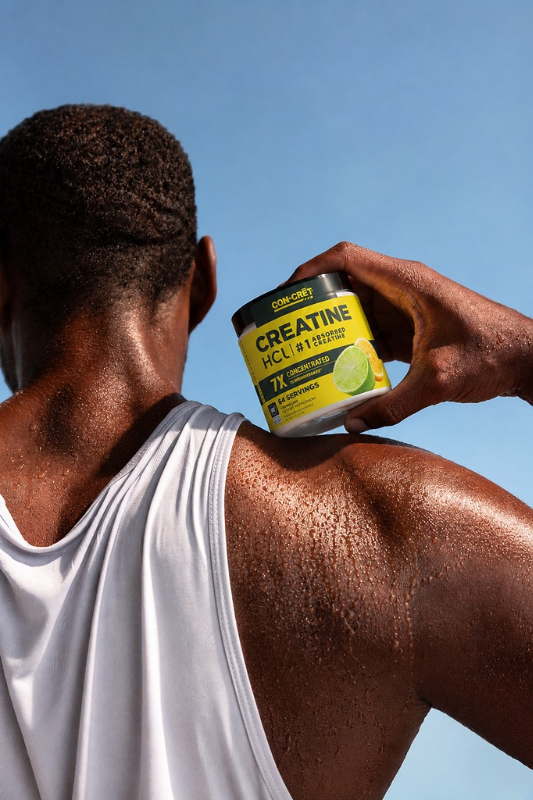
The team used a controlled cortical impact model to investigate the effects of creatine HCl supplementation in male and female mice.
Animals received either water or different creatine HCl dosing regimens for seven days before injury and then for 14 days afterwards.
Results indicated sex-specific responses to supplementation, with female mice receiving the higher post-injury dose following pre-injury supplementation showing significantly reduced neuroinflammation, including lower activation of microglia and astrocytes.
Male mice receiving creatine HCl before injury showed fewer degenerating neurons and less synaptic damage.
The findings suggest that creatine HCl may influence several biological pathways involved in the brain's response to injury.
However, it is important to note that the research was only conducted in animals and so further studies will be needed to establish whether these effects translate to humans.
Expanding creatine research beyond sports nutrition
The findings add to growing scientific interest around creatine's role in cellular energy metabolism and brain health.
Creatine helps regenerate adenosine triphosphate (ATP), which supplies energy to cells — including neurons.
After a TBI, disruptions to cerebral energy metabolism can contribute to neuronal damage and inflammation.
A 2025 review published in Missouri Medicine explored the potential of creatine supplementation as a nutritional intervention for TBI, highlighting its relevance to the metabolic changes associated with brain injury.
In a separate 2026 randomised controlled trial published in the Journal of the American Nutrition Association, researchers investigated creatine HCl supplementation in 36 perimenopausal and postmenopausal women.
The study reported improvements in brain creatine concentrations and reaction time in the medium-dose group.
However, clinical evidence still remains limited.
A 2024 systematic review in Behavioural Brain Research found that although supplementation can increase brain creatine concentrations, evidence for improvements in cognitive function remains inconsistent.
The latest TBI study was funded by Vireo Systems, although the company said the researchers independently conducted the data generation, analysis and interpretation.
Vireo Systems developed CON-CRĒT in 2003, specialising in creatine HCl formulations.
The company said it plans further research to investigate brain biomarkers at different stages after injury and assess post-concussion recovery.
Human clinical trials will be needed to determine whether creatine HCl has a role in supporting brain health following concussion.


