
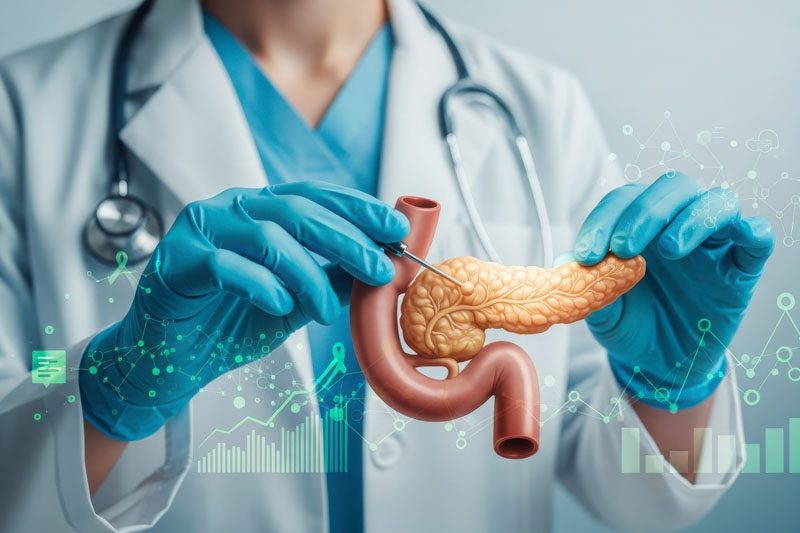
It’s estimated that as many as 1.6 million people in Great Britain alone are now using GLP-1s, with uptake accelerating across Europe.1
Adoption rates are even higher in the US, with as much as 12% of the population thought to have used GLP-1s.2
Although these drugs are already transforming daily habits, their impact extends far beyond the scale.
As millions of GLP-1 users reduce their overall food intake, shrinking appetites come with an invisible fallout: nutrient gaps that meal planning alone can’t fix.
Francesca Berry (pictured), Head of Content Programming at Vitafoods Europe, reports.
By shaping the agenda for Vitafoods Europe, I’ve seen how the rising use of GLP-1s is changing conversations about gut health and nutrient absorption — trends that are now steering innovation in weight management nutrition.

And what’s clear to me is that in this new era of weight management, the supplement aisle is the new frontline of metabolic health.
But addressing nutrient gaps isn’t just about adding vitamins and minerals; our gut is emerging as the hidden engine of energy regulation and nutrient efficiency.
An area that has evolved from a digestive wellness niche into a cornerstone for holistic health, the gut microbiome is increasingly linked to metabolism, immune function and energy regulation.
This space is drawing renewed attention from formulators who are positioning probiotics, prebiotic fibres and synbiotic solutions as core components of healthy weight management.
What do GLP-1s mean for the microbiome?
GLP-1 agonists have earned their headline status for good reason. Their glucose-lowering properties make them effective tools for weight loss and diabetes management.
But as a relatively new class of medications, questions remain about their wider physiological effects — especially on the gut microbiome.
It’s well-established that medicines ranging from antibiotics to proton pump inhibitors can alter microbiome composition and function, and it’s now emerging that GLP-1s may also play a role.
One systematic review found that GLP-1 medications have a notable impact on the composition, richness and diversity of gut microbiota, with generally positive effects.
Liraglutide, for example, was shown to promote the growth of bacteria associated with beneficial metabolic functions, whereas another study found that GLP-1s can boost Lactobacillus and Bifidobacterium (strains linked to improved gut barrier integrity and reduced inflammation).3,4
Taken together, the evidence hints that GLP-1s could do more than curb appetite; they may also subtly reshape the gut microbiome with potential knock-on effects for metabolism.
Managing the trade-offs
But despite their benefits, GLP-1 agonists may come with a catch: gastrointestinal side-effects. Nausea, bloating or constipation are common, especially when doses are increased. And, although temporary, they can disrupt daily life in very tangible ways.5
These effects can also contribute to the depletion of key electrolytes and micronutrients, including magnesium, sodium and potassium.
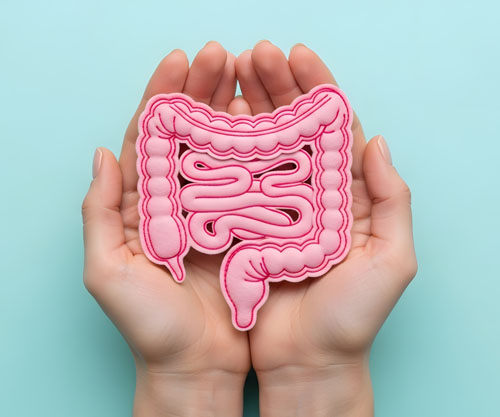
Combine this with reduced food and fluid intake, and it becomes clear that diet alone may struggle to keep nutritional balance intact. This shifts the challenge from what we consume to what we can absorb.
Less in, more out
Innovation must therefore converge on a precise challenge: not just replacing lost nutrients but improving how effectively they are absorbed under altered physiological conditions.
The gut is central to this. As GLP-1s reshape appetite — and even the speed of digestion itself — the efficiency of nutrient uptake becomes critical.
Take protein, for example. Reduced intake increases the risk of suboptimal amino acid availability, but simply adding more protein isn’t always feasible when appetites are reduced.
To meet this challenge, formulators are turning to more bioavailable formats, such as hydrolysed proteins and essential amino acid blends that are designed for faster uptake in the small intestine.
At the same time, microbiome-targeted strategies are gaining traction, with specific probiotic strains and fermentable fibres being explored for their role in supporting protein digestion and nutrient transport.
The shift is subtle but significant: moving from delivering nutrients to engineering their absorption, ensuring that even with less coming in, more is effectively utilised.
Holistic crossover: what’s next?
Weight loss may be the entry point for many GLP-1 users, but their health goals extend far beyond the scale. According to Mintel, among consumers trying to lose or maintain weight, 39% prioritise improved energy levels and 38% are focused on mental well-being.6
These figures point to a broader health agenda: one in which outcomes, not just kilograms, define success.
Better gut health may also be increasingly central to that shift. As research into the gut–brain axis deepens, the microbiome is being positioned not just as a digestive player, but as a contributor to how we feel and function.
Ingredients targeting the microbiome are increasingly being positioned to support mood, cognitive clarity and sustained energy.

For instance, probiotics, prebiotics and synbiotics are now seen as tools for whole-body well-being, rather than simply supporting digestive claims.
For GLP-1 users already attuned to the relationship between their body and how they feel, this holistic framing is a natural fit.
Meeting those goals requires a more personalised approach. Not all users face the same nutrient gaps or digestive challenges, and one-size-fits-all solutions are giving way to multifunctional formats and tailored formulations.
Evidence of this innovation is already visible: figures show that 22% of global weight management nutrition launches feature a vitamin/mineral fortified claim, 21% highlight a high/added protein claim and 10% emphasise high/added fibre.6
This signals a clear shift towards solutions that are better aligned with the realities of GLP-1 use.
Treading a new path
GLP-1s have fundamentally changed how millions of people approach their health. But as adoption grows, so too does the complexity of consumer needs.
Nutrient gaps, digestive side-effects and the desire for sustained energy and mental clarity are all shaping the next phase of innovation.
This is where gut health looks set to play a defining role.
As understanding of the microbiome deepens, gut health solutions will increasingly focus on supporting the evolving needs of GLP-1 users in a more precise and personalised way.
In this evolving landscape, gut health is no longer a supporting player; it is fast becoming the important link between pharmaceutical intervention and lifestyle nutrition.
References
- https://pubmed.ncbi.nlm.nih.gov/41501776/.
- https://think.ing.com/articles/transformative-or-overhyped-the-impact-of-weight-loss-drugs-on-european-food-demand1/.
- https://doi.org/10.3390/nu17081303.
- https://doi.org/10.7759/cureus.64738.
- https://doi.org/10.1111/dom.12824.
- www.vitafoodsinsights.com/weight-management/the-future-of-nutrition-innovation-in-the-era-of-glp-1-interview-.


